
Shatkarma is an essential component of classical yoga practices, particularly within the Hatha Yoga system. In yogic science, purification is considered the first and most important step toward higher spiritual practices. Therefore, Shatkarma practices are designed to cleanse the body internally and prepare the practitioner for advanced yoga sadhana.
In today’s lifestyle, toxins accumulate due to improper diet, stress, and sedentary habits. As a result, physical imbalances and mental disturbances arise. Hence, Shatkarma plays a vital role in restoring internal harmony and enhancing overall well-being.
Meaning of Shatkarma
The term Shatkarma is derived from two Sanskrit words: “Shat” meaning six, and “Karma” meaning actions or practices. Thus, Shatkarma refers to the six yogic cleansing techniques aimed at purifying the body systems.
These practices are systematically explained in classical texts such as the Hatha Yoga Pradipika, where purification is emphasized as a prerequisite for success in asana, pranayama, and meditation. Through Shatkarma, internal blockages are removed, and the free flow of prana is facilitated.
The Six Shatkarma Practices
The six major Shatkarma techniques are:
- Dhauti – cleansing of the digestive tract
- Basti – yogic colon cleansing
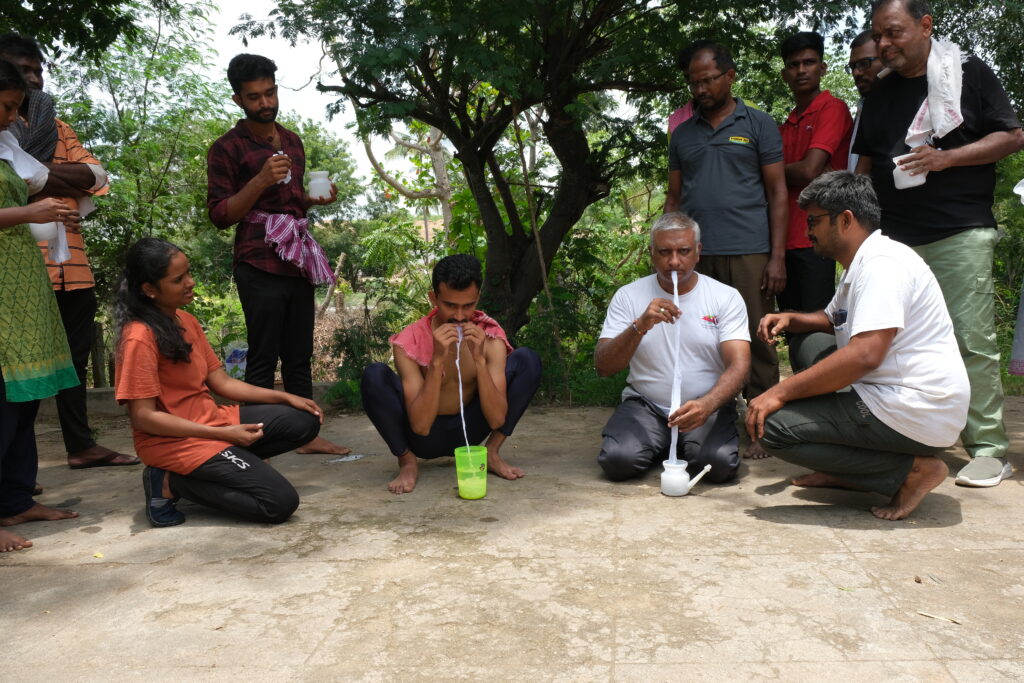
- Neti – nasal purification
- Nauli – abdominal churning
- Kapalabhati – frontal brain cleansing
- Trataka – steady gazing for mental purification
Each practice targets specific organs and systems. When performed correctly under guidance, deep internal purification is achieved.
Purpose of Shatkarma Practices
The primary purpose of Shatkarma is removal of accumulated toxins (Ama) from the body. As the internal organs are cleansed, physiological efficiency is improved, and disease resistance is strengthened.
Additionally, these practices help in balancing the three doshas—Vata, Pitta, and Kapha. Consequently, digestion becomes efficient, respiration improves, and nervous system stability is enhanced. It is widely accepted that pranayama and meditation become more effective only when purification is completed.
Significance of Shatkarma in Yoga Sadhana
Shatkarma holds a crucial place in yoga sadhana because it prepares both the body and mind for higher practices. Without purification, energy blockages may remain, and spiritual progress can be hindered. Therefore, Shatkarma is recommended before intensive pranayama and meditation practices.
Moreover, mental clarity is enhanced as impurities are eliminated. Emotional disturbances are gradually reduced, and concentration improves. As a result, the practitioner experiences lightness, alertness, and increased vitality. These benefits make Shatkarma especially valuable in yoga therapy and preventive healthcare.
Shatkarma and Pranic Balance
From a yogic perspective, disease is caused by disturbed pranic flow. Shatkarma helps in removing obstructions in the nadis (energy channels). Consequently, prana flows freely, and internal balance is restored.
When nadis are purified, pranayama becomes safer and more effective. Hence, traditional yoga systems emphasize Shatkarma as a foundation practice rather than an optional technique.
Role of Shatkarma in Modern Health Management
In modern times, Shatkarma practices are increasingly recognized for their role in managing lifestyle disorders such as obesity, digestive problems, sinus issues, and stress-related conditions. Since these techniques are non-pharmacological, they offer a natural and holistic approach to health.
However, it must be noted that Shatkarma practices should be performed only under qualified guidance, as incorrect practice may cause discomfort. When practiced systematically, long-term health benefits are experienced.
Conclusion
In conclusion, Shatkarma is a powerful yogic purification system that forms the base of yoga sadhana. By cleansing the body, balancing prana, and stabilizing the mind, Shatkarma prepares the practitioner for deeper yogic experiences. Ultimately, it supports physical health, mental clarity, and spiritual growth. Therefore, Shatkarma remains an indispensable component of classical yoga practice and holistic well-being.
Keywords
Shatkarma meaning, Shatkarma benefits, yogic cleansing techniques, Shatkarma in Hatha Yoga, purification practices in yoga, Shatkarma for health, yoga sadhana practices, internal cleansing yoga
