
Yoga practices play a vital role in promoting holistic health and overall well-being. Yoga is not merely a physical exercise system; rather, it is a comprehensive lifestyle science that nurtures the body, regulates the breath, stabilizes the mind, and elevates consciousness. In modern society, yoga is increasingly recognized as an effective method for preventive healthcare, stress management, and lifestyle disorder control.
Originally rooted in ancient Indian wisdom, yoga practices were designed to maintain balance between physical health, mental clarity, emotional stability, and spiritual awareness. Therefore, yoga is now widely recommended for individuals of all age groups, regardless of physical ability or social background.
Concept of Health and Well-Being in Yoga
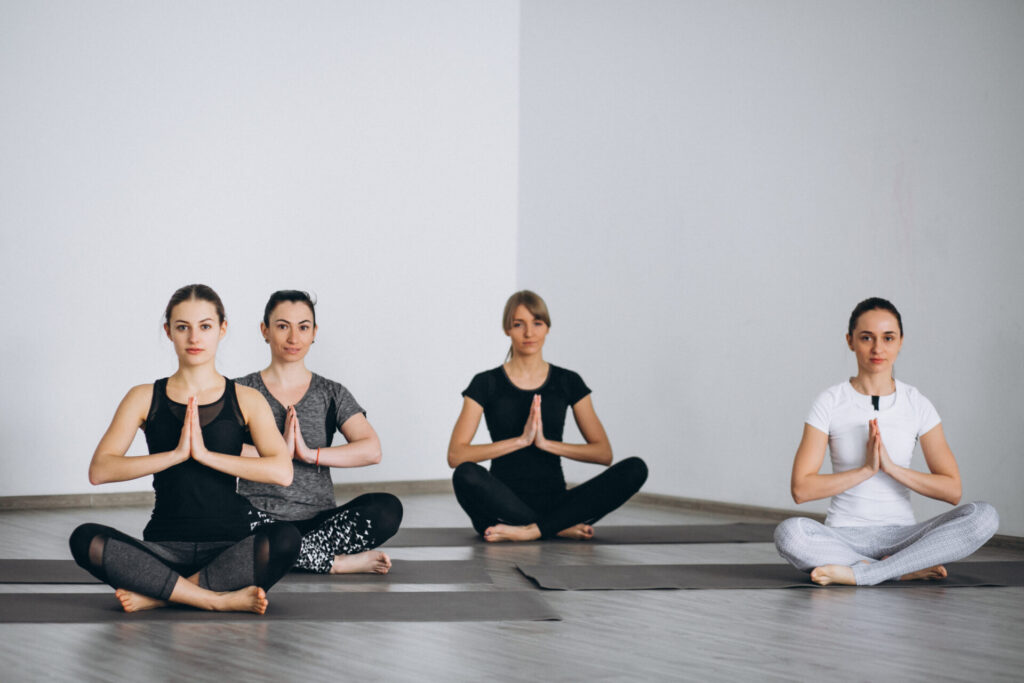
According to yogic philosophy, health is not limited to the absence of disease. Instead, it is described as a state of harmony among body, breath, mind, and soul. Well-being is achieved when physical functions operate efficiently, mental disturbances are minimized, and emotional resilience is developed.
In this context, yoga practices aim to restore balance in the Pancha Kosha system—Annamaya, Pranamaya, Manomaya, Vijnanamaya, and Anandamaya Kosha. As a result, wellness is experienced at both internal and external levels.
Yoga Practices for Physical Health
Asana (Yogic Postures)
Asana practice forms the foundation of yoga for physical health. Through systematic postures, muscle tone, flexibility, posture, and joint mobility are improved. Moreover, internal organs are massaged, and metabolic efficiency is enhanced.
Regular practice of asanas supports:
- Musculoskeletal strength
- Improved digestion and circulation
- Hormonal balance
- Weight management
Over time, physical stiffness is reduced, and vitality is enhanced. Asanas are therefore widely used in yoga therapy and rehabilitation programs.
Yoga Practices for Respiratory and Energy Balance
Pranayama (Breath Regulation)
Pranayama is the science of controlled breathing, which directly influences the nervous system and pranic flow. Through regulated inhalation, exhalation, and retention, lung capacity is improved, and oxygen utilization becomes efficient.
Practices such as Nadi Shodhana, Bhramari, and Kapalabhati help reduce stress, stabilize emotions, and improve cardiovascular health. Consequently, energy levels are increased, and mental fatigue is reduced.
It is widely accepted that pranayama practices are effective tools for stress-related disorders and lifestyle diseases.
Yoga Practices for Mental Health and Emotional Well-Being
Dhyana (Meditation)
Meditation is a core yoga practice aimed at mental clarity, emotional balance, and self-awareness. By calming mental fluctuations, attention span and cognitive function are improved.
Through consistent meditation practice:
- Anxiety and depression are reduced
- Emotional regulation is strengthened
- Sleep quality is improved
Mental discipline is gradually developed, and inner peace is experienced. Therefore, meditation is often recommended for mental health management and counseling support.
Relaxation Techniques in Yoga
Yogic Relaxation Practices
Relaxation practices such as Shavasana and Yoga Nidra help release deep-seated tension from the body and mind. These techniques activate the parasympathetic nervous system, promoting rest and recovery.
As a result, blood pressure is regulated, stress hormones are reduced, and emotional calmness is restored. In many wellness programs, relaxation techniques are included as essential components for stress reduction and burnout prevention.
Ethical and Lifestyle Practices for Well-Being
Yama and Niyama
Yogic well-being is incomplete without ethical discipline. Yama (social conduct) and Niyama (personal discipline) guide individuals toward healthy relationships, self-control, and positive lifestyle habits.
Practices such as Ahimsa, Satya, Saucha, and Santosha promote emotional stability and moral strength. Consequently, inner conflicts are reduced, and psychological well-being is enhanced. These principles were systematized by Patanjali, making them relevant even in contemporary life.
Integrated Role of Yoga in Preventive Healthcare
Yoga practices are increasingly incorporated into preventive and promotive healthcare systems. Since lifestyle disorders are largely stress-induced, yoga offers a non-invasive and cost-effective solution.
When practiced regularly, yoga helps:
- Prevent chronic diseases
- Improve immune response
- Enhance quality of life
- Promote longevity
Therefore, yoga is now recognized globally as a complementary health science.
More information
🌿 Admissions Open – YCB Level Yoga Teacher and Evaluator Coaching Classes 🌿
Want to teach yoga professionally or open your own centre?
Here’s your chance to become a Govt. Certified Yoga Instructor under the Yoga Certification Board (YCB), Ministry of AYUSH, Govt. of India.
📌 Course Details:
⏰ Time: 8:00 – 9:00 PM
💻 Online Mode (Zoom – Live Theory & Practical)
✨ Benefits:
✅ Employment eligibility in schools & colleges 🏫
✅ Opportunities in India & abroad 🌍
✅ Learn with expert faculty 👩🏫
✅ Organized study materials & mock tests 📘
✅ Govt. recognized certificate 🎓
📞 Contact: 8110068073 / 9543179499
📲 Limited seats – Apply Now!
📥 Register Now:
👉 https://forms.gle/qWZmnDejHyNCXNfK7
🚀 Step into a successful career in yoga with Krish Yoga Vidhyaalaya (Associate Centre of IYA).
